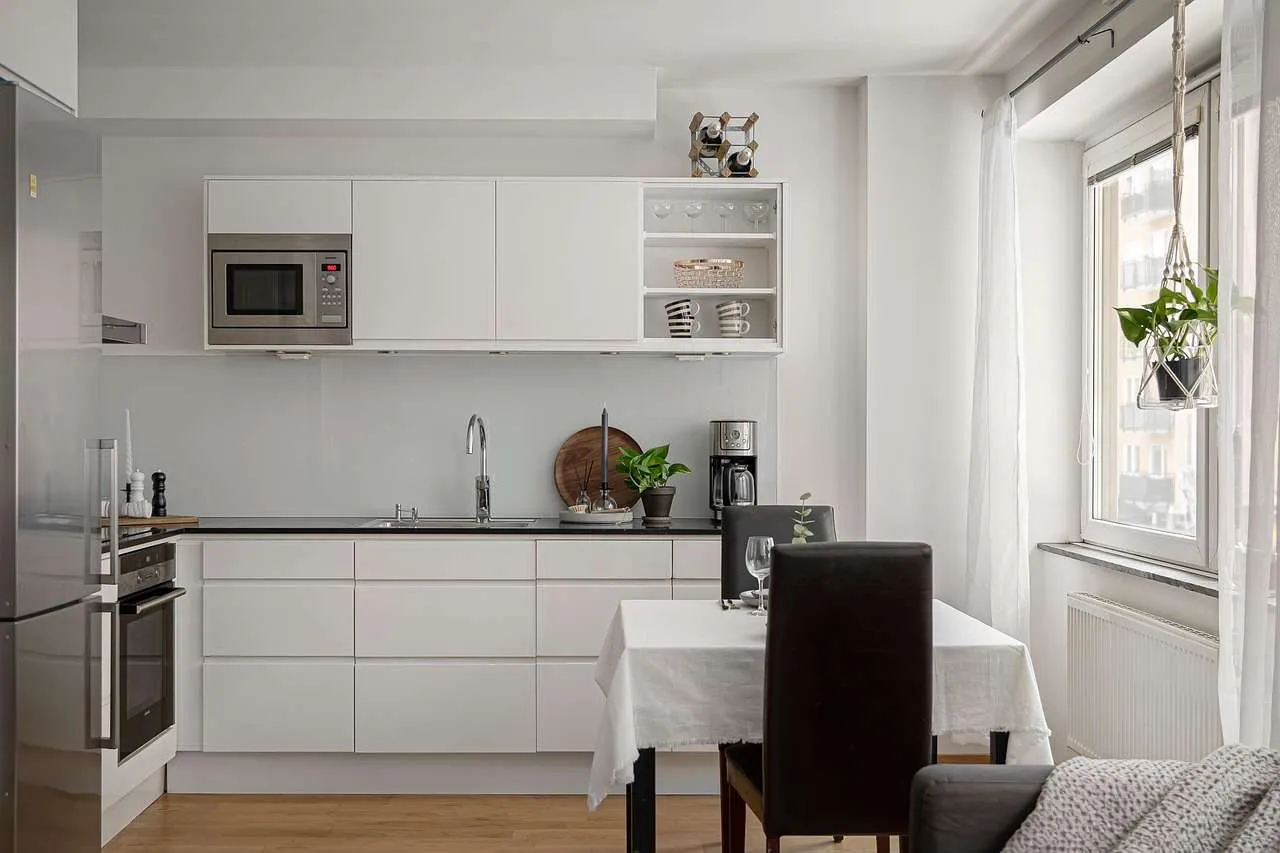
Windows are a major determinant of energy efficiency, safety, and curb appeal in any home. When a window starts to fail, homeowners search for reliable home window repair solutions. This guide provides practical steps, safety considerations, and guidance on when to hire a professional to ensure your windows function properly and last longer. By understanding common problems, evaluating options, and following best practices, you can improve comfort, save energy, and protect your investment.
Understanding common window problems
Several issues recur in many homes. Drafts and air leakage often come from worn glazing seals or weatherstripping. Condensation between double or triple panes indicates a failed seal and reduced insulation. Frames can swell, warp, or rot in wooden models, while vinyl and aluminum frames may crack at joints or hinges. Hardware such as balances, springs, and locks can wear, making windows hard to open or stay closed. Glass damage from impacts also requires attention. Recognizing the problem early helps you choose the right repair path and prevent further damage.
Signs you may need repair
- Persistent drafts or high energy bills
- Condensation between panes or fogging
- Sticking or difficult-to-operate sashes
- Visible cracks, chips, or broken glass
- Discoloration, peeling paint, or rotten wood frames
DIY fixes vs professional services
Many homeowners can handle small tasks, such as replacing weatherstripping, cleaning tracks, lubricating hardware, and resealing joints. More complex problems — glass replacement, structural frame repair, or sash rebalance — typically benefit from a licensed professional. When choosing, weigh safety, risk, cost, and time. For older homes with lead paint, renovations require special precautions and legally compliant practices.
Step‑by‑step guide to basic home window repair
Fixing a drafty window seal
- Inspect the seal around the sash and frame to locate gaps.
- Remove old weatherstripping and clean the surface.
- Apply new adjustable foam or rubber weatherstripping and press firmly.
- Test by closing the window and feeling for air leaks; reseal if needed.
Repairing a stuck or difficult sash
- Lubricate tracks with a silicone-based spray; avoid petroleum products that attract dirt.
- Gently work the sash to loosen resistance, then wipe away debris.
- Inspect balances or springs; replace worn parts with manufacturer guidelines.
- Reinstall sash and verify smooth operation.
Replacing cracked glass safely
Glass replacement is delicate. Wear safety glasses and gloves. Measure the pane precisely, remove the glazing beads, insert the new pane with glazing compound, and reseal. If the frame is damaged or the glass is tempered or insulated glass unit, professional installation ensures proper fit and safety.
When to call a professional
Consider professional help for structural repairs, multi‑pane insulated glass units, or when doors/windows are hazardous to handle. A licensed contractor can assess wood rot, failed seals, and frame integrity, provide an accurate quote, and protect you with warranties. Ask about certifications, whether technicians are factory‑trained, and if the company offers energy‑efficiency upgrades or glass replacements that meet NFRC standards. For homes built before 1978, confirm lead‑safe renovation practices to protect occupants during repair work.
Cost considerations and a practical comparison
Repair costs vary by issue, material, and labor rates. Minor fixes like weatherstripping or track cleaning are economical, while glass replacement or frame repair can be more substantial. Below is a practical comparison to help you plan:
| Issue | DIY Feasibility | Typical Cost | Time Involved | Risks/Notes |
|---|---|---|---|---|
| Drafts and seals | High | 20–80 | 1–3 hours | Uneven sealing may persist if misapplied |
| Stuck sash | Moderate | 0–150 (parts) | 2–6 hours | Inadequate lubrication can cause damage |
| Broken glass | Low | 100–400 (per pane) | 3–6 hours | Handling hazards; incorrect glazing can cause leaks |
| Rot or major frame damage | Low | 200–800+ (parts + labor) | 1–2 days | Structural issues require professional assessment |
| Insulated glass unit replacement | Low | 300–900 | 1 day | Specialized glazing may be needed |
Choosing a reputable window repair service
To ensure expertise and trustworthiness, look for licensed professionals with up‑to‑date training and insurance. Prioritize contractors who offer clear written estimates, warranty options, and aftercare guidance. Read reviews from local customers, ask for before‑and‑after photos, and request references. Verify that technicians use safety procedures for glass handling and are compliant with local codes and, if applicable, EPA lead‑safe practices. A reputable company will name brands they work with, provide a service map, and explain energy efficiency improvements if relevant to your home.
Maintenance tips to extend window life
Proactive care reduces repair frequency and cost. Regularly clean tracks and sashes to prevent buildup, replace weatherstripping every few years, and inspect seals after seasonal changes. Repaint or reseal wooden frames to guard against moisture, and ensure proper drainage away from the window surrounding masonry. Scheduling annual or biannual inspections with a qualified pro can catch problems early and extend the life of your windows.
Conclusion, with informed choices and proper maintenance, home window repair can restore comfort, improve energy efficiency, and protect your home value. By understanding common problems, weighing DIY options against professional help, and selecting a trusted service, you can achieve durable results and peace of mind.