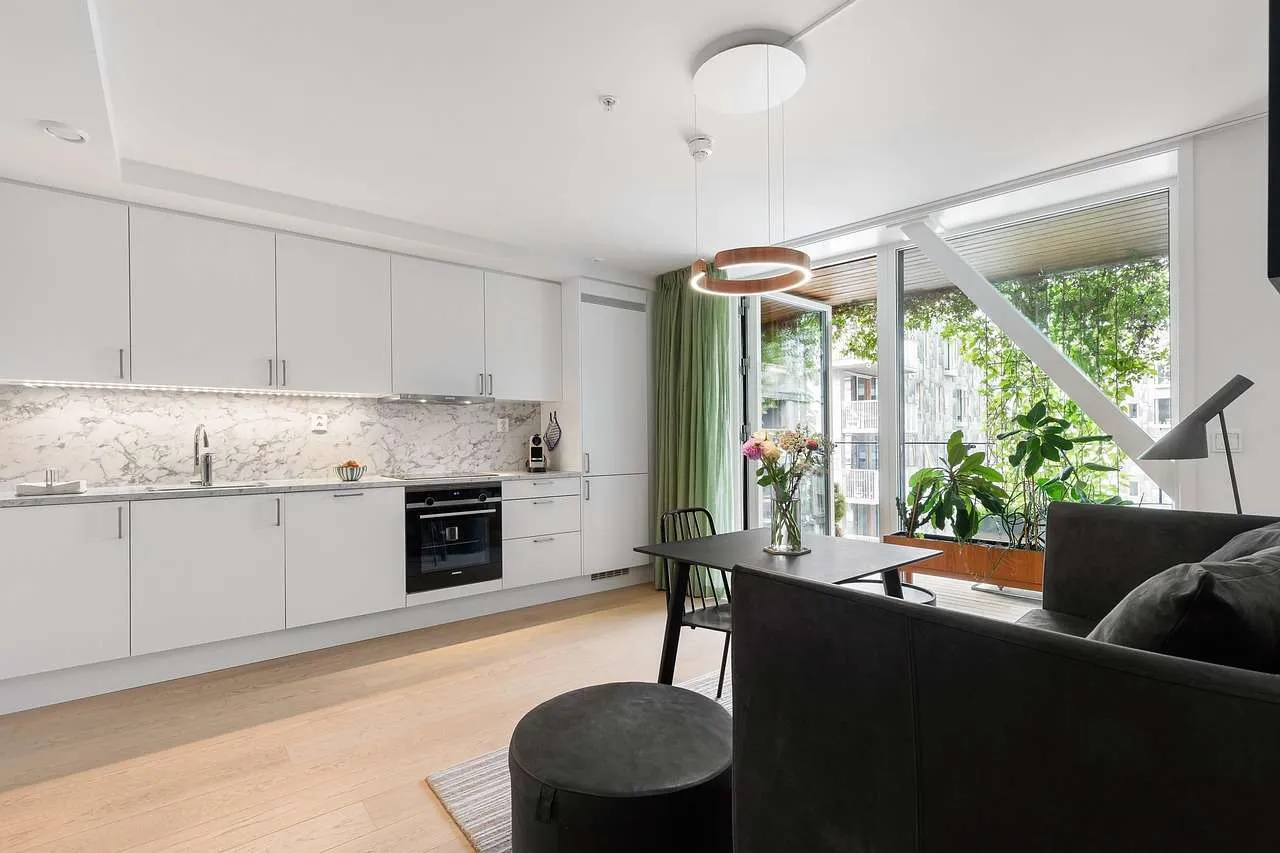
Home Window Tinting: Comfort & Savings
Home window tinting uses specialty films applied to interior glass to reduce heat transfer, glare, and UV exposure. With decades of industry experience, reputable installers assess window type, sun exposure, and climate to recommend the right film for durability and value. This article explains how to choose, install, and maintain window tinting so you can achieve energy savings without sacrificing comfort or view.
What is Home Window Tinting?
Home window tinting involves broadcasting a thin film onto the interior surface of glass panes. The films vary by material and construction, including dyed, metalized, ceramic, carbon, and composite options. Each type offers a different balance of UV protection, glare reduction, insulation, and privacy. A trained installer evaluates factors such as orientation, window size, and frame compatibility to tailor recommendations for residential settings.
Benefits of Home Window Tinting
- Lower energy costs by reducing heat gain in warm months and heat loss in cold months
- Strong UV protection to minimize fading of furniture and fabrics
- Glare reduction for comfortable living spaces and electronics
- Enhanced privacy while preserving daylight and exterior visibility
- Improved safety with film that holds glass together during impact
Types of Window Tint Films
Dyed Tint
Dyed films are a budget-friendly option that darken windows and block some UV rays. They offer decent glare reduction but have limited infrared IR rejection and a shorter warranty. Best for affordability and aesthetic if high performance is not a priority.
Metalized Tint
Metalized films reflect a portion of solar energy, providing strong glare control and good UV protection. They can interfere with some electronic signals and may require professional installation to avoid issues with alarms or radios.
Ceramic Tint
Ceramic films are among the highest performing options, delivering excellent UV protection, strong IR rejection, and minimal signal interference. They maintain color neutrality and keep windows clear for a natural view, making them a popular choice for modern homes.
Carbon and Composite Tint
Carbon films balance heat reduction and optical clarity with a matte finish that resists staining. They offer good IR rejection without the metal parts found in some other films, reducing the risk of glare and maintaining a natural appearance.
How to Choose the Right Tint
Selecting a tint depends on climate, sun exposure, and home orientation. Consider the daylight you want to retain, the level of privacy you require, and the view you wish to preserve. Look for films with a high visible light transmission VLT that still deliver strong IR rejection and UV protection. Inspect warranties, look for professional certification, and confirm compatibility with your window type and existing coatings. Local regulations or homeowner association rules may also influence tint darkness and color, so verify compliance before installation.
Installation Options
Most homeowners choose professional installation to ensure a bubble-free finish and to protect warranty coverage. A trained installer will clean the glass, apply the film using precision tools, and trim edges for a seamless look. DIY tinting is possible on select window types, but it carries risks of air pockets, misalignment, and reduced longevity. Regardless of method, ensure that the installer documents the film type and guarantees aftercare guidelines to preserve performance.
Maintenance and Care
Maintaining tinted windows involves simple cleaning with non-abrasive solutions and microfiber cloths. Avoid ammonia-based cleaners that can degrade some films. Do not scrub the surface aggressively, which can scratch or lift edges. Regular inspections help detect edge lift or bubbling early, allowing timely remediation under warranty.
Cost and ROI
Costs vary by film type, window size, and installation complexity. A typical residential tint project may range from modest sums for entry-level films to several hundred dollars per home depending on the number of windows and the chosen film. While higher quality films cost more upfront, the energy savings, UV protection, and enhanced comfort often translate into a favorable return on investment over several years, especially in sun-soaked climates.
Comparison Table: Tint Options
| Film Type | UV Rejection | IR Rejection | Glare Reduction | Privacy | Warranty | Best For |
|---|---|---|---|---|---|---|
| Dyed Tint | High | Low | Moderate | Low | 1–5 years | Budget projects |
| Metalized Tint | High | High | High | Medium | 5–10 years | Bright sun, glare control |
| Ceramic Tint | Very High | Very High | Very High | Medium | 10–15+ years | All climates, premium performance |
| Carbon Tint | High | High | High | Medium | 7–12 years | Balanced performance |
| Composite Tint | High | Moderate | Moderate | Medium | 5–10 years | Versatile options |
Trust and EEAT Considerations
The credibility of home window tinting guidance rests on expert knowledge, proven methods, and trustworthy installation practices. Look for installers with proper licensing, industry certifications, and a portfolio of completed residential projects. Request written estimates, warranty terms, and post-installation maintenance advice. A reputable pro will explain film selection in relation to your climate, orientation, and energy goals, demonstrating transparency and accountability.
FAQ and Common Concerns
Common questions include whether tinting affects daylight, how long installation takes, and how to protect warranties. In most cases, tinting preserves most daylight while reducing glare. A typical home tint installation can be completed in one to two days for an average house, depending on window count. Always confirm warranty coverage for glass breakage, peeling, and edge lift, and follow aftercare instructions to maximize film life.
Conclusion: By choosing the right film type, working with a qualified installer, and following maintenance guidelines, home window tinting can deliver measurable comfort improvements, UV protection, and energy savings for many years.
Summary: Home window tinting offers energy efficiency, UV protection, and comfort when selected with climate, orientation, and budget in mind, implemented by an experienced professional, and maintained with routine care to maximize performance and value.