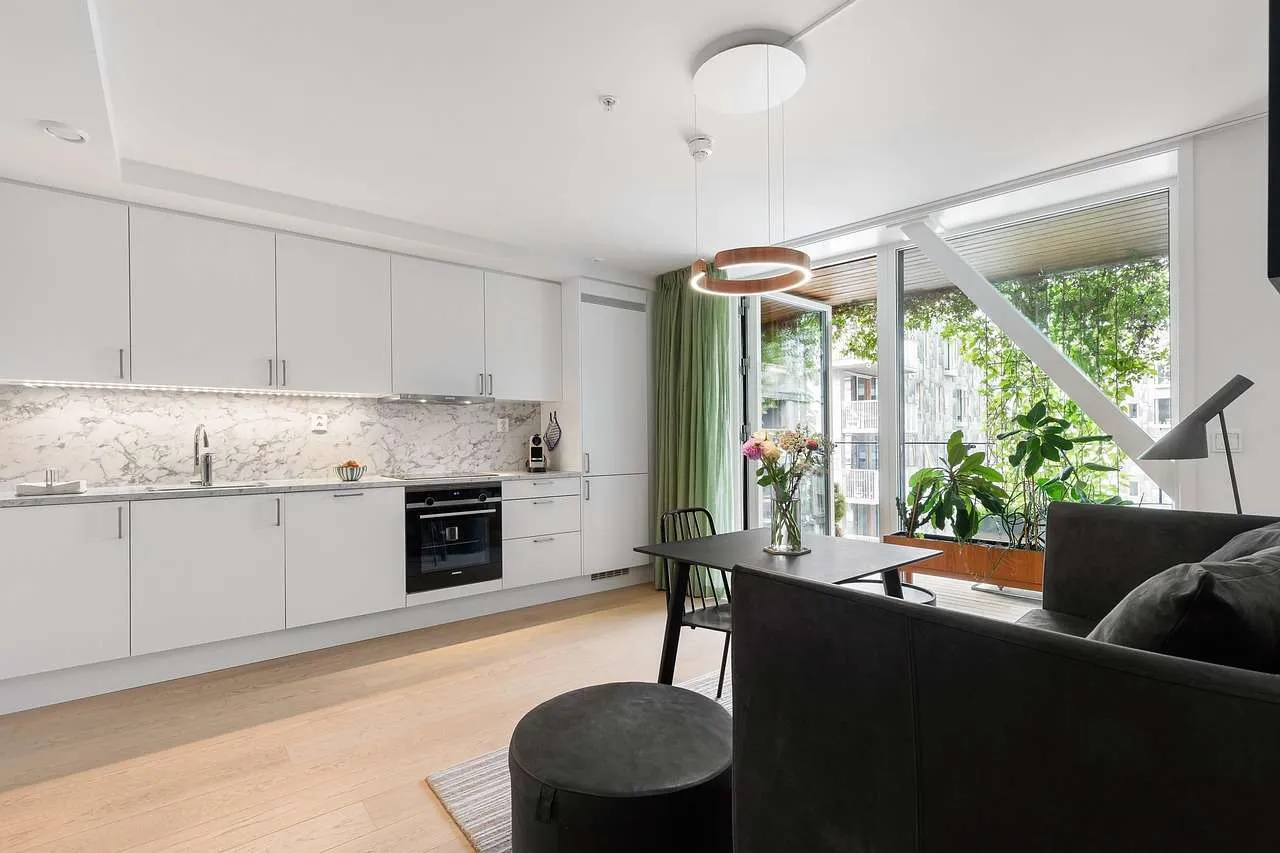
When people search for home window tinting near me, they're looking for local professionals who can apply window films that reduce heat, UV exposure, and glare while preserving visibility. This guide covers what to expect, how to evaluate providers, and how to choose a trusted local installer who meets EEAT standards.
Understanding the purpose of a local search for tinting
Local tinting requests are often driven by comfort, energy savings, and protection for interior furnishings. A nearby installer can offer fast accessibility, on-site assessments, and post-install support. For homeowners, the right local team demonstrates expertise, holds proper licensing and insurance, and provides clear warranties. These elements align with the EEAT principle—engineering trust through experience, authority, and transparency.
Why window tinting matters for homes
Window films can dramatically improve living spaces by reducing solar heat gain, blocking up to 99% of ultraviolet rays, and cutting glare that disrupts screens and reading. Tinting helps shield furniture and flooring from fading, lowers cooling costs in warm climates, and can increase privacy without sacrificing daylight. A reputable local installer will tailor the film choice to your climate, home orientation, and existing glass to maximize results.
Types of window films
Understanding film types helps you compare options with confidence. Each type has its own balance of heat rejection, glare control, durability, and cost.
Dyed window films
Dyed films are a budget-friendly option that adds a tint to reduce glare and heat. They’re simple to install but can fade over time and may offer moderate UV protection.
Metalized films
Metalized films reflect heat and provide strong glare control. They can interfere with some electronics and car dash displays, so it’s important to discuss installation placement with your installer.
Ceramic films
Ceramic films deliver high heat rejection, excellent glare reduction, and strong UV protection without the risk of interfering with electronics. They are typically more expensive but offer long-term durability and performance.
Carbon films
Carbon films provide solid heat rejection and a natural, non-reflective appearance. They resist fading and maintain color over time, offering a good value for many homes.
Comparison of popular film types
| Film Type | Heat Rejection | Glare Reduction | UV Rejection | Typical Cost | Notes |
|---|---|---|---|---|---|
| Dyed | Moderate | Low to moderate | 80-99% | $5-$8 per sq ft | Budget option; fades over time |
| Metalized | High | Good glare control | 99% | $6-$12 per sq ft | May affect electronics |
| Ceramic | Very high | Excellent glare control | 99% | $8-$15 per sq ft | Durable; non-conductive |
| Carbon | High | Good glare | 99% | $7-$12 per sq ft | Fade-resistant; natural look |
How to choose a local window tinting provider
Locating a trusted near-me installer starts with credentials and reputation. Look for:
- Licensed and insured technicians; confirm coverage and workers compensation
- Experience with residential projects similar to your home’s size and glass type
- NWFA or equivalent certification and manufacturer-approved training
- Clear warranties on film, labor, and installation
- Recent client references and a portfolio of before/after photos
- Transparent quotes that itemize film type, labor, and any necessary prep work
Questions to ask during quotes
- What film type and brand do you recommend for my goals?
- Do you offer on-site color and clarity samples?
- What is the expected curing time and aftercare requirements?
- Is there a transferable warranty for the film and installation?
- Will weather or HOA restrictions affect the installation timeline?
Installation process and aftercare
A typical residential tinting job includes measurement, glass cleaning, film cutting, application with a squeegee, and a curing period. Most installations finish in one day, with a short curing window before full functionality. Aftercare usually involves avoiding ammonia-based cleaners and heavy scrubbing for a week to prevent adhesive issues. A reputable installer will provide written care instructions and contact information for warranty support.
Cost, warranties, and value
Costs vary by film type, window size, number of panes, and home layout. Expect a range of several hundred to several thousand dollars for whole-home tinting, with premium films commanding higher prices but offering longer warranties and superior performance. Warranties typically cover film integrity and installation workmanship for 5 to 15 years, depending on the brand and installer. Always confirm what is covered and whether the warranty is transferable if you sell the home.
Maintaining the tint and protecting your investment
Clean glass with a soft cloth and a non-ammonia cleaner to preserve film adhesion and clarity. Inspect edges periodically for peeling or lifting and schedule preventive maintenance with your installer if you notice issues. Keeping HVAC systems tuned and gutters clean also helps maximize energy savings over time.
Conclusion
Conclusion, by choosing a certified local installer, you gain energy savings, UV protection, privacy, and enhanced comfort. Assess options carefully, compare film types using the table above, verify licensing and warranties, and request multiple quotes to ensure you receive a fair price and reliable service. With the right home window tinting near me professional, your home can stay cooler in summer, fade less, and enjoy a more comfortable interior for years to come.