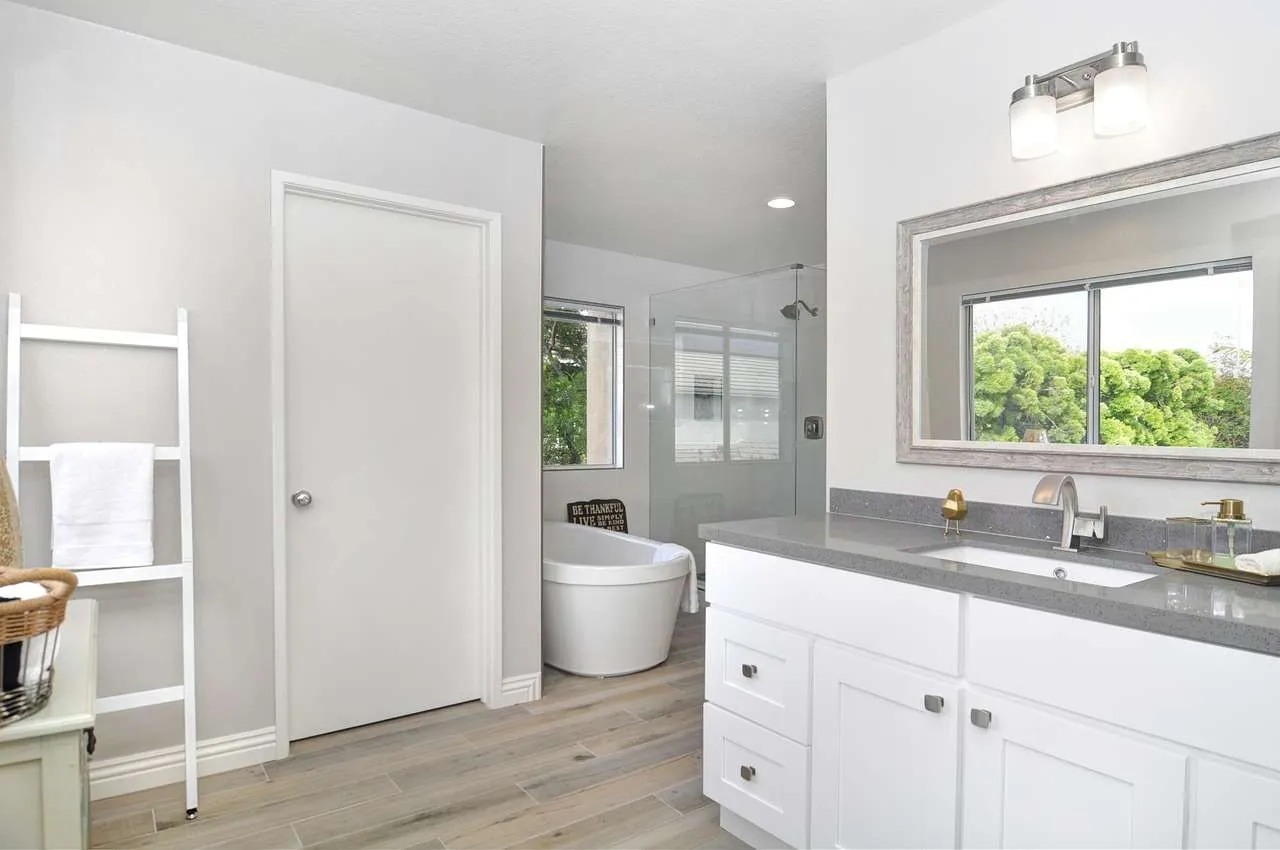
Designing a small bathroom requires a strategic mix of form and function. This guide shares practical small bathroom ideas to maximize space, improve usability, and elevate style without sacrificing comfort. Whether you’re renovating a powder room or optimizing a compact master suite, smart choices can make a big difference.
Principles for Small Bathroom Design
Start with core principles that guide every decision. These ideas help create a room that feels larger and works better daily:
- Maximize vertical space with tall storage and wall-mounted fixtures.
- Choose compact, multi-functional fixtures and hidden storage.
- Use light colors and reflective surfaces to bounce light and visually expand the room.
- Plan zones for water and storage to reduce clutter and errors.
- Prioritize durability and water resistance in high-moisture areas.
Smart Layouts and Fixtures
Layout decisions set the tone for usability. The following options keep traffic flows smooth and spaces airy:
Walk-in Shower with Glass Enclosure
A clear glass enclosure visually expands the space and reflects light, especially when paired with a large mirror. Consider a frameless design, a ceiling-mounted shower head, and a slim niche for toiletries to avoid clutter on the bench or bench area.
Floating Vanity and Wall-Hung Toilet
Floating fixtures lift the visual floor plane, creating airiness and easier cleaning. Choose a vanity with shallow depth and integrated storage. A wall-hung toilet saves space and widens sightlines, especially in narrow bathrooms.
Compact Sinks and Corner Solutions
Corner sinks, pedestal options, or corner-mounted basins reduce floor footprint. A slim, shallow basin on a narrow vanity balances style with usable counter space for daily grooming.
Pocket Doors or Sliding Doors
Replacing a swing door with a pocket or sliding door frees floor space for a wider vanity, a recessed cabinet, or a small laundry chute nearby. This change is especially valuable in ultra-tight layouts.
Storage Solutions that Add Space
Storage is the backbone of small bathroom organization. Implement these ideas to keep surfaces clear and lines clean:
- Recessed niches in the shower and above the tub for toiletries.
- Medicine cabinets with internal shelving and built-in lighting.
- Over-toilet shelving or a slim cabinet mounted high on the wall.
- Pull-out organizers in drawers and vanity cavities to maximize every inch.
- Wall-mounted towel racks and hooks to keep towels off the floor.
- Transparent or light-edged bins to reduce visual heavy clutter.
Color, Lighting, and Finishes
Color and lighting shape perceived space. Use reflective surfaces and layered lighting to make the room feel larger. Consider:
- Soft whites, light grays, and cool neutrals as base tones.
- Large-format porcelain or ceramic tiles with minimal grout lines to extend eye lines.
- Full-height mirrors and mirrored cabinets to multiply light.
- Layered lighting: ambient ceiling light, task lighting around the mirror, and waterproof LED strips in niches.
- Matte finishes for durability, with gloss surfaces where you want extra reflection.
Materials, Durability, and Maintenance
Choose materials that withstand humidity and are easy to clean. Porcelain or ceramic tiles with large formats reduce grout lines and feel more expansive. Quartz or solid-surface countertops resist moisture and stains. Use sealed grout or epoxy alternatives for long-lasting maintenance. Anti-microbial surfaces and properly vented exhaust fans help maintain a healthy bathroom environment.
Comparison of Layout Options
Here's a quick side-by-side to help you compare typical layouts and decide which plan best fits your space and budget.
| Option | Pros | Cons | Best For | Typical Cost |
|---|---|---|---|---|
| Floating vanity + wall-hung toilet | Spacious feel, easy cleaning, flexible storage | May require extra plumbing work | Moderate sizes, modern look | $$ |
| Walk-in shower with glass enclosure | Visible light, accessible, appears larger | Glass cleaning needed; shower floor must be slip-resistant | Shower-focused renovations | $$ |
| Pocket door with compact fixtures | Maximizes floor space | Higher installation complexity | Extremely tight spaces | $$ |
| Shower-tub combo with niches | Cost-effective, familiar layout | Less flexible for future changes | Budget-friendly renovations | $ |
| Corner shower + slim vanity | Optimizes corners, balanced scale | Requires precise measurements | Small square footage with a shower focus | $–$ |
Note: Costs are indicative and vary by region, materials, and labor. For long-term value, invest in durable fixtures, water-saving options, and quality waterproofing.
Budget and Expert Advice
Smart budgeting helps you maximize ROI. Start with a precise floor plan, then:
- Identify non-load-bearing walls for niche or wiring changes.
- Compare prices from multiple brands for fixtures and tiles.
- Consider phased renovations to spread costs, starting with essential updates like plumbing and venting.
- Prioritize durable, water-rated products and warranties to reduce future maintenance.
- Consult a licensed plumber and, if possible, a designer specializing in compact spaces to ensure code compliance and cohesive aesthetics.
Conclusion
Summary: By focusing on vertical storage, space-saving fixtures, light colors, and thoughtful layouts, you can transform a small bathroom into a comfortable, stylish, and highly functional space. The right combination of glass, subtle color, and clever organization makes even the tightest room feel open and easy to use. With careful planning and quality fixtures, small bathroom ideas become practical, lasting improvements that boost daily comfort and home value.